Biochar – What is it?
We remove carbon for centuries. We generate value from day one.
We convert forest and agro-industrial biomass waste into biochar and verifiable durable carbon removals (CDRs)—the most mature removal category on the market.
+años
of the permanence of fixed carbon
%
Of the durable removals delivered in the voluntary market, biochar
k tCO2
Annual relocation of the Santo Domingo hub at full capacity
° hub
Industrial Biochar CDR in Latin America
Biochar – What is it?
A residue that turns into stable carbon
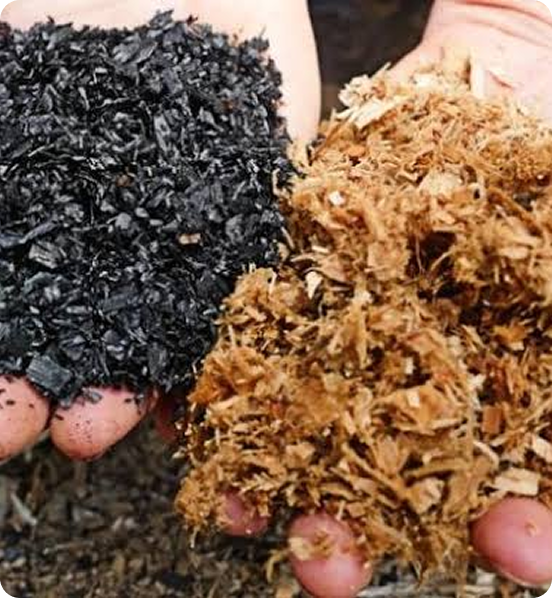
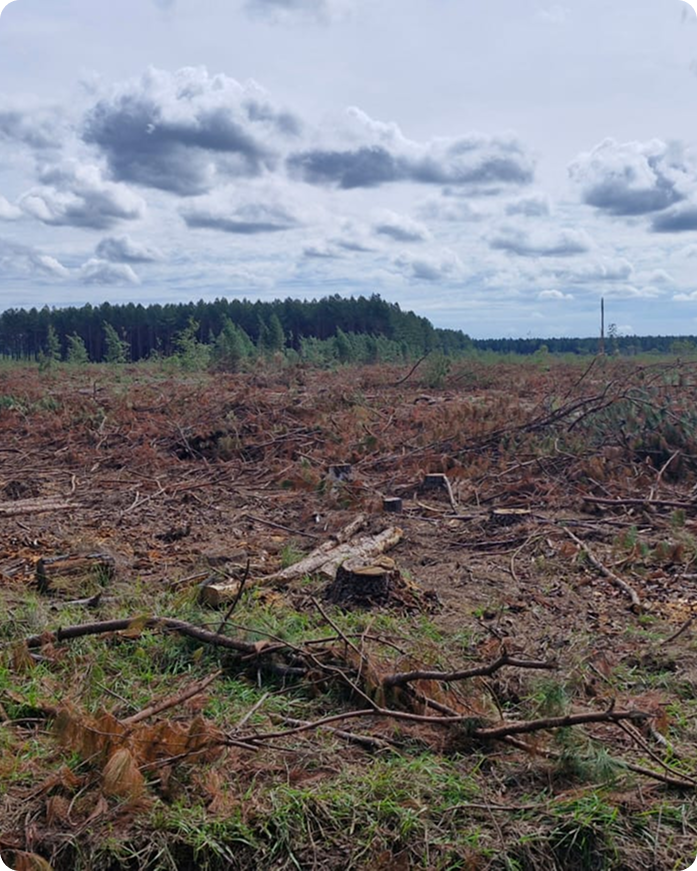
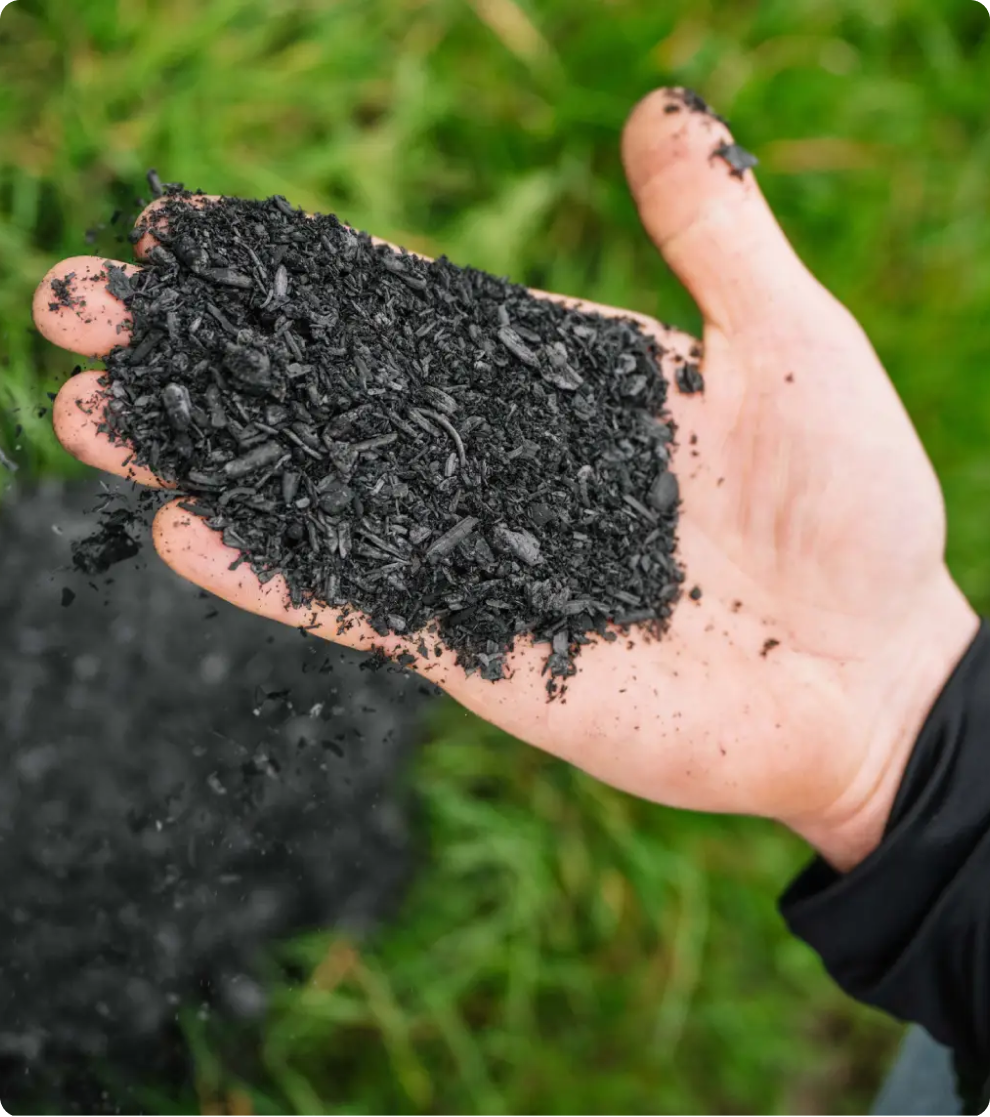
Biochar is the carbonaceous material resulting from subjecting residual biomass—such as wood chips, sawdust, and pruning or harvest residues—to pyrolysis, a thermal decomposition process that occurs in the absence of oxygen. This process transforms carbon that would otherwise have been released into the atmosphere into a recalcitrant form that remains stable in the soil for centuries.
When applied to the soil, this carbon is removed from the atmospheric cycle, enabling the issuance of carbon removal credits (CDRs) certifiable under Puro.earth and other standards. Unlike other types of credits, biochar is also a physical product with intrinsic value in agriculture and industry; a single process thus generates two revenue streams.

Lasting removal, not avoidance

Permanent, irreversible carbon
It sequesters recalcitrant carbon for centuries. Compared to forestry credits—which are reversible and operate on a timescale of decades—it offers superior integrity.

Emission rate
It generates credits in a matter of months, rather than over the long growth cycle of a forest: early cash flow that makes the nature-based project sustainable.

Avoids methane from residual biomass.
What currently decomposes or is burned in the open releases CO₂ and methane. Pyrolysis captures and stabilizes it.

Reduces the risk of fire
It reduces the accumulated biomass load, which acts as fuel. Territorial resilience, in addition to carbon benefits.
Co-benefits and
supply chain decarbonization

Environmental co-benefits
 Restoration of degraded soils
Water retention and drought resilience
Nutrient and fertilizer carrier

Decarbonize other supply chains
Cement, agribusiness, and sustainable aviation fuel (SAF)
Coke replacement in the steel industry
Asphalt and construction materials